Roofing in Boston, MA
Boston's urban roofing environment is unlike any other Massachusetts market: ISD permits, triple-decker combined systems, Back Bay mansard rooflines, narrow-street access logistics, and the urban heat island effect that modifies ice dam patterns on attached row houses differently than standalone suburban construction.
Roofing Services in Boston, MA
Boston's roofing market is defined by architectural forms and regulatory processes that differ fundamentally from the suburban Massachusetts communities that make up most of Future Roofing's service area. Triple-decker buildings — the three-story wood-frame triple-family structures that define the residential fabric of Dorchester, South Boston, Roxbury, and Jamaica Plain — combine a pitched front roof with one or more flat rear sections in a single building that requires coordination between two entirely different roofing systems. Back Bay and South End
brownstones present mansard rooflines and flat roof decks that add further complexity to the Boston roofing landscape.
The Boston Inspectional Services Department — ISD — governs all construction permitting in the city, and its processes differ significantly from the building departments in suburban Massachusetts communities. ISD requires contractor registration specific to the city of Boston, has its own documentation standards for permit applications, and maintains inspection scheduling through a city-wide system that operates differently than town-level building departments. Future Roofing is registered with Boston ISD and has established the institutional familiarity with ISD's processes that allows Boston roofing projects to proceed without the administrative delays that unfamiliarity with ISD creates for contractors operating in the city for the first time.
Urban access logistics in Boston require planning that suburban roofing never demands. Material delivery and staging in neighborhoods like the South End, Charlestown, and Jamaica Plain with narrow streets and limited parking requires coordination with the city's street occupancy permit office where dumpster placement or crane access requires temporary lane use. Future Roofing manages this coordination as part of every Boston project, including the neighbor notification that good practice in dense Boston neighborhoods requires and the scheduling adjustments that minimize disruption to adjacent properties.
Triple-Decker and Row House Roofing in Boston
Boston triple-deckers present a combined roofing challenge that requires two different material systems managed as a single coordinated project. The front pitched section — typically a simple gable or hip over the front two-thirds of the building — uses standard architectural shingles with appropriate underlayment. The rear flat section — which may cover a significant portion of the building's footprint — requires a membrane roofing system: TPO, EPDM, or modified bitumen depending on the specific configuration and drainage design. Future Roofing specifies both systems with attention to the flashing transition between them, which is the most vulnerable point in the Boston triple-decker roofing assembly.
Shared gutter lines on Boston row houses and attached triple-deckers create ice dam conditions that differ from standalone suburban homes. When multiple attached structures share a continuous eave and gutter system, heat loss patterns from individual units within the row create localized warm and cold zones on the shared roof surface. This variation produces ice dam formation at specific points along the shared eave that would not occur on an isolated structure. Future Roofing assesses shared gutter and eave conditions on Boston attached structures during the estimate visit and provides recommendations specific to the attached building's ice dam risk pattern.
Lead paint and asbestos considerations are part of the pre-construction assessment on older Boston buildings. Pre-1978 Boston homes may have lead paint on roof deck sheathing and structural components that affects disposal requirements for tear-off debris. Older roofing systems may include asbestos-containing materials that require specific abatement procedures before re-roofing work begins. Future Roofing advises Boston homeowners on these regulatory requirements during the estimate process and coordinates with licensed abatement contractors where required before roofing work commences.
Back Bay, South End, and Mansard Roofing in Boston
The mansard rooflines that characterize Boston's Back Bay and South End brownstones present one of the most demanding roofing configurations in Massachusetts. Mansard roofs combine a steep lower slope with a flat or nearly flat upper deck, requiring two fundamentally different roofing approaches within a single roofline. The steep lower slope receives slate-profile or dimensional shingles that complement the Victorian character of the neighborhood. The flat upper deck requires a membrane system — typically modified bitumen or TPO — that manages the standing water conditions that the near-flat upper section creates. Future Roofing handles both sections as a coordinated system, ensuring the flashing transition between the steep and flat portions is watertight and architecturally appropriate.
Boston Landmarks Commission review applies to roofing work on properties within designated historic districts — Back Bay, Beacon Hill, and the South End among them — and adds a review step to the ISD permit process for these addresses. Material selection on Landmarks Commission properties must be compatible with the historic character of the structure and the district, and certain materials — including highly reflective white membranes on visible flat roof sections — may require Commission approval before they can be specified. Future Roofing is experienced in navigating Landmarks Commission requirements and identifying when this review applies to a Boston roofing project.
Flat roof maintenance on Boston's residential and mixed-use buildings is essential to preventing the water infiltration that threatens the building assemblies of attached urban structures. Unlike a suburban home where a roof leak affects only the single structure, water infiltration on a Boston row house or attached brownstone can migrate laterally through shared wall assemblies and affect adjacent structures. Future Roofing provides maintenance assessment services for Boston flat roof owners that identify minor deterioration before it develops into active infiltration — protecting the building and its neighbors simultaneously.
Why Boston Property Owners Choose Future Roofing
Boston roofing requires contractors who understand ISD's permit process, the combined system demands of triple-decker construction, urban access logistics, and the historic district requirements that apply to significant portions of the city's residential neighborhoods. Future Roofing brings this Boston-specific knowledge to every city project — having navigated ISD applications, managed urban material staging, and coordinated with Landmarks Commission review on projects across multiple Boston neighborhoods. This institutional knowledge of Boston's specific regulatory and logistical environment is what distinguishes Future Roofing from contractors that treat Boston as simply another suburban Massachusetts roofing project.
Property owners and managers in Boston — who may be managing multi-family buildings, investor properties, or owner-occupied structures across several city neighborhoods simultaneously — benefit from Future Roofing's ability to manage complex Boston projects with the documentation, compliance, and communication standards that urban property management requires. We provide written scope documentation, permit filing records, inspection certificates, and project completion confirmation that Boston property records require and that insurance carriers
and future buyers' attorneys may request.
Free estimates in Boston require travel to urban neighborhoods that suburban contractors may deprioritize due to distance and parking logistics. Future Roofing provides on-site estimates across all Boston neighborhoods — Dorchester, South Boston, Roxbury, Roslindale, Hyde Park, Jamaica Plain, West Roxbury, Mattapan, Charlestown, and others — at no charge and with no premium for the urban logistics involved. Every Boston estimate covers the complete roofing assessment: pitched sections, flat sections, transition flashings, gutter conditions, and a review of any ISD or Landmarks Commission requirements that apply to the specific address.
Why Choose Future Roofing for Roofing in Boston
Six commitments we make on every roofing project in Boston, MA — the standards that distinguish a quality local contractor from the rest.
-
Boston ISD Registration: Future Roofing is registered with Boston Inspectional Services Department. ISD permit applications, documentation, and inspection coordination managed on every Boston project.
-
Triple-Decker System Expertise: Pitched front and flat rear sections specified and installed as a coordinated system — transition flashing, combined drainage, and ISD compliance managed together.
-
Mansard Roofing Experience: Steep-slope and flat deck coordination on Back Bay and South End brownstones. Landmarks Commission requirements identified and managed when applicable.
-
Urban Access Logistics: Street occupancy permits, material staging, and neighbor coordination for Boston's narrow-street neighborhoods — managed by Future Roofing as part of every Boston project.
-
Licensed & Boston ISD Registered: Massachusetts contractor license plus Boston ISD registration. Lead paint and asbestos pre-assessment included for older Boston buildings.
-
Written Estimates: Full system scope — pitched, flat, and transition — with ISD permit costs and urban logistics allowances documented in writing before any commitment is made.
Every roofing project in Boston is backed by these standards. Call (774) 257-9449 for a free written estimate.
Our Roofing Work in Massachusetts
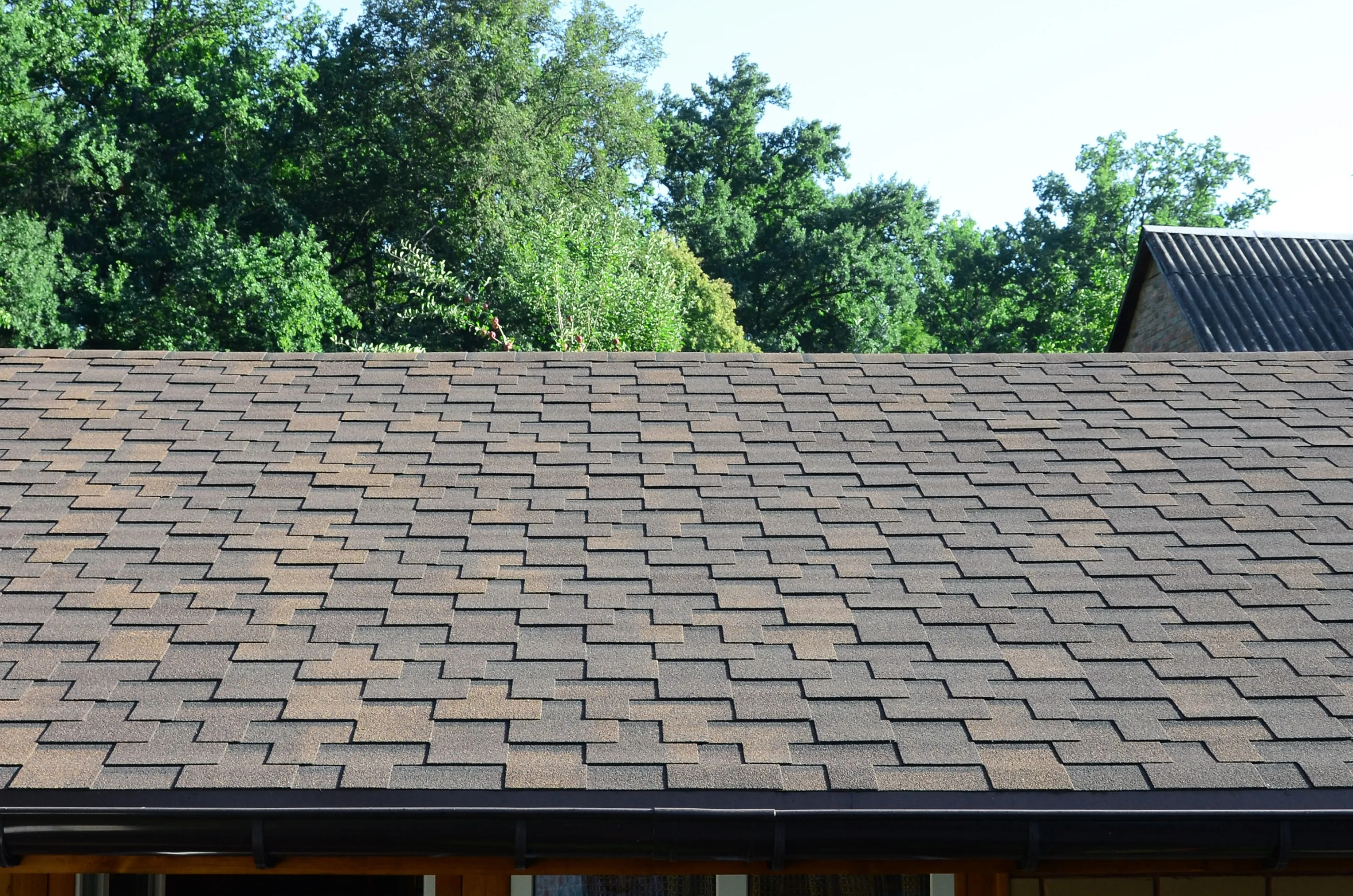
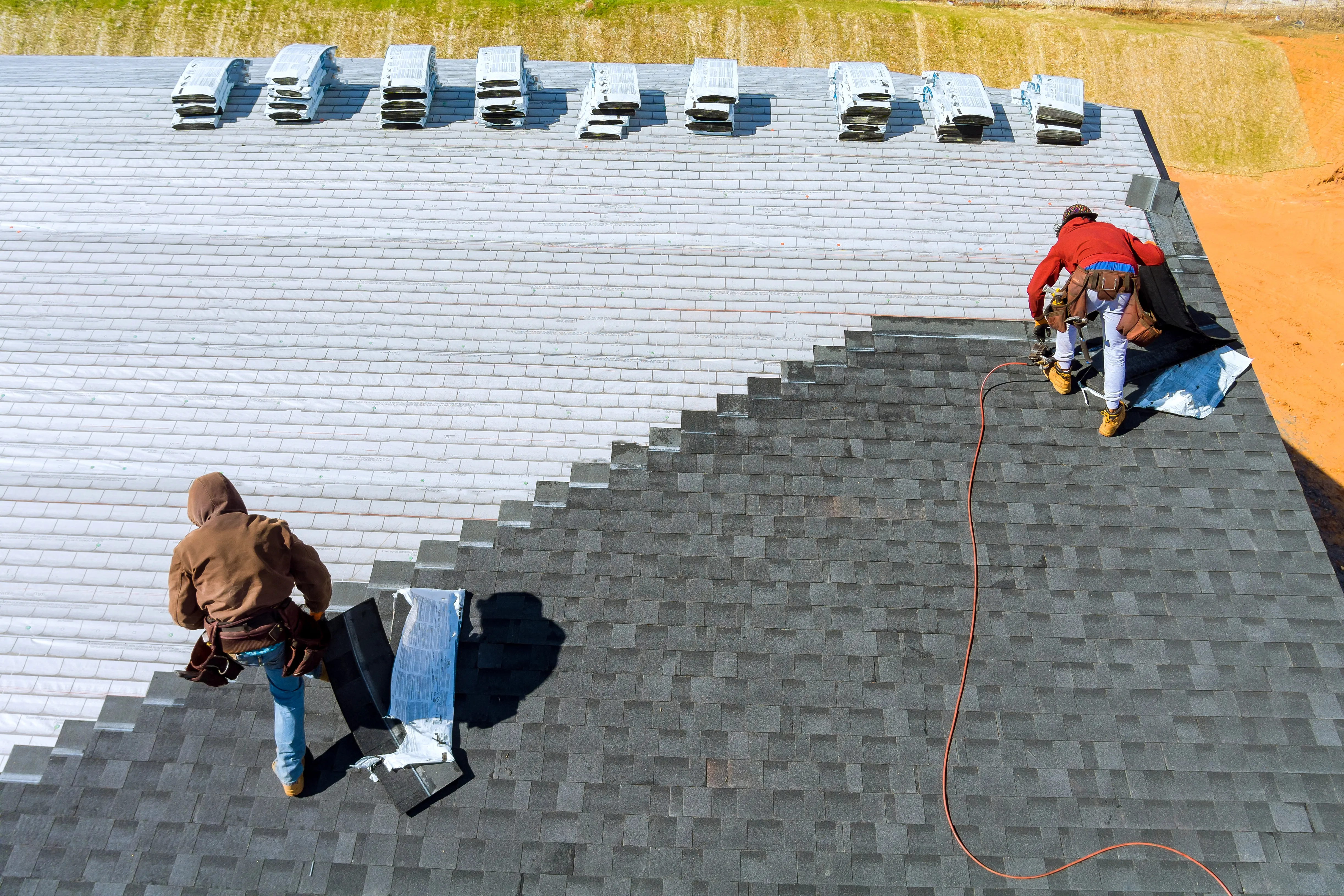
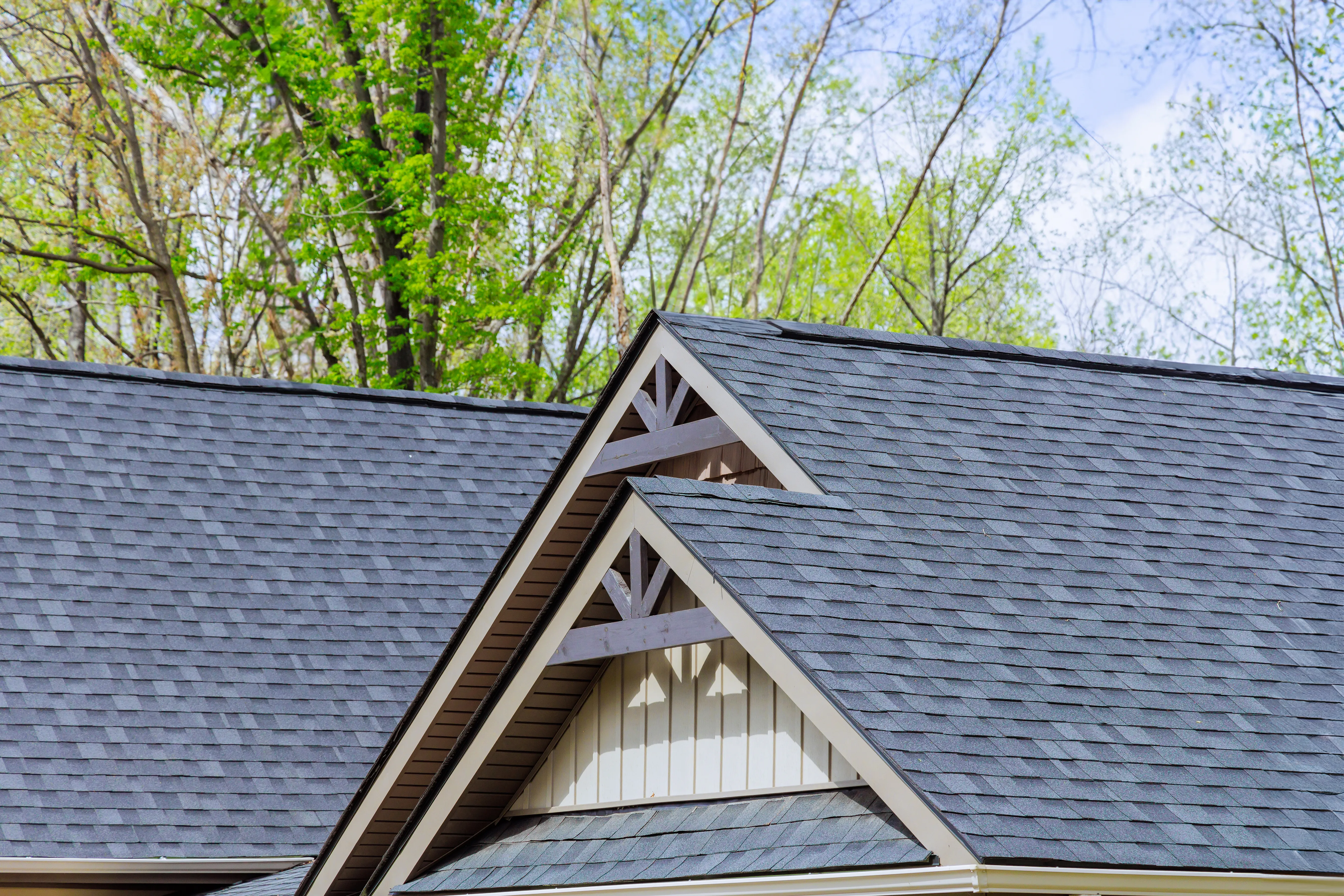
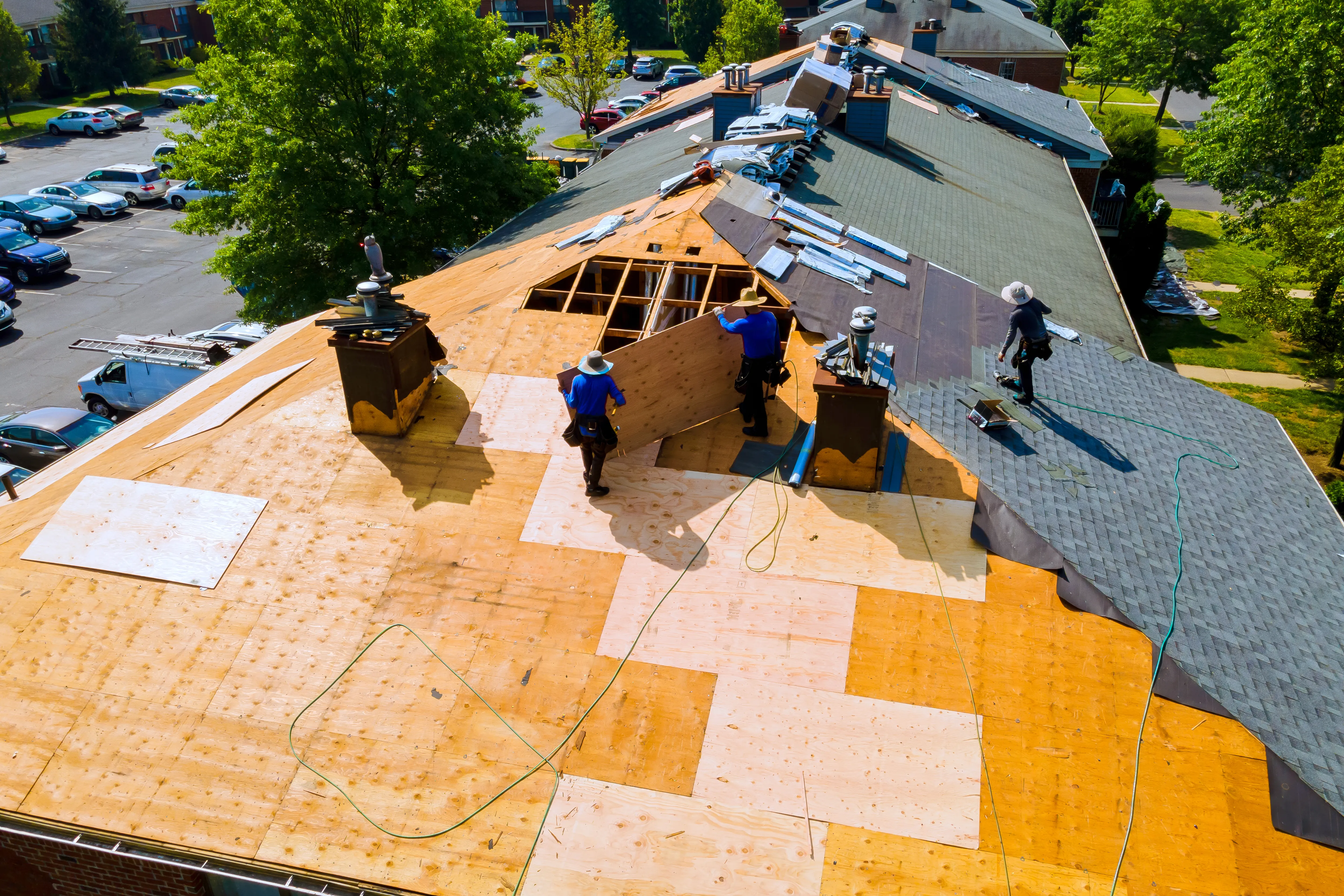
Why Future Roofing Knows Boston Roofing Better
Boston Climate
Urban heat island modifies snow and ice patterns on Boston row houses. Triple-deckers accumulate ice at shared gutter lines differently than standalone suburban homes with independent drainage systems. ■ Card 1: ~28w ■
Local Permits
Boston Inspectional Services Department handles all permits — not a local building department. ISD has specific contractor registration requirements and longer processing timelines than suburban MA towns. Card 2: ~27w ✓
Construction Types
Triple-deckers, Back Bay brownstones with mansard roofs, South End attached townhomes, Jamaica Plain colonials, and Dorchester three-families with combined flat and pitched roof sections. Card 3: ~24w ■
Our Experience Here
Future Roofing has completed projects in Dorchester, South Boston, Roslindale, Hyde Park, and Jamaica Plain. We navigate Boston ISD requirements and urban logistics on every project. Card 4: ~26w
Roofing FAQs in Boston, MA
How does Boston ISD differ from suburban MA building departments?
ISD — Boston's Inspectional Services Department — requires contractor registration specific to Boston, uses city-wide inspection scheduling rather than direct building department access, and has documentation standards that differ from suburban Massachusetts municipalities. Future Roofing is ISD-registered and manages the complete Boston permit process, including required certifications and inspection coordination through ISD's system.
What are the roofing challenges unique to Boston triple-deckers?
Triple-deckers combine a pitched front roof with a flat rear section, requiring two material systems managed as a single coordinated project. Shared gutter lines create specific ice dam patterns different from standalone homes. Future Roofing evaluates both sections, specifies appropriate systems for each, and details the flashing transition between the two — the most vulnerable point in triple-decker roofing.
How does roofing access work on narrow Boston streets?
Future Roofing manages urban access logistics including street occupancy permits where dumpster or crane placement requires temporary lane use, material delivery coordination for narrow Boston streets, and neighbor notification appropriate to dense urban neighborhoods. These logistics are part of every Boston project scope and cost estimate.
Does Boston Landmarks Commission affect roofing in Back Bay or Beacon Hill?
Yes. Properties in designated Boston landmark historic districts require Landmarks Commission review for visible roofing material changes. Future Roofing identifies whether your Boston address falls within a Landmarks district and advises on material selection that meets both Commission requirements and building performance needs.
How much does roofing cost in Boston, MA?
Boston roofing ranges from $12,000 to $35,000+ due to ISD permit costs, urban access logistics, roof type complexity, and Boston's higher labor market. Triple-deckers with combined systems and Back Bay mansard rooflines trend toward the higher end. Free written estimate with full Boston-specific cost detail available.
Roofing in Other Massachusetts Cities
Future Roofing LLC also provides roofing services in these nearby Massachusetts communities. Click any city to see local details, photos, and contact information.
Don’t see your community? Call (774) 257-9449 — we serve the South Shore, Cape Cod, and Greater Boston for roofing.
Ready to Start Your Roofing Project in Boston?
Our team is ready to assess your Boston roofing project, provide a written estimate, and answer every question before any work begins. No obligation, no pressure.
Other Services We Offer in Boston, MA
Flat Roof in Boston
TPO, EPDM, and PVC commercial and residential flat roofing in Boston.
Learn morePVC Roofing in Boston
Heat-welded PVC single-ply for Boston flat roof applications.
Learn moreSiding in Boston
Vinyl, fiber cement, and engineered wood siding installation in Boston.
Learn moreGutters in Boston
Seamless aluminum gutters fabricated on-site in Boston.
Learn moreChimney in Boston
Chimney repair, masonry, and crown work for Boston homes.
Learn moreWindows in Boston
Replacement windows for Boston energy efficiency and storm protection.
Learn more